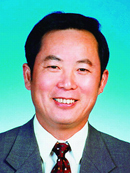
 Name
Name
Zhu Weiqun 朱维群
Current status
Ethnic & Religious Affairs, CPPCC
Born
19647
Relevance to Tibet
Prominent spokesperson on Tibet and religion.

Name
Zhu Weiqun 朱维群
Current status
Ethnic & Religious Affairs, CPPCC
Born
19647
Relevance to Tibet
Prominent spokesperson on Tibet and religion.
Pronunciation: Zhoo Way-choon Zhu Weiqun
Born: 1947 in Jiangsu Province.
Education: People’s University, Beijing and (reportedly) The Chinese Academy of Social Sciences, department of journalism, Master’s Degree.
Career: Vice Minister of the United Front Work Department 2006 – 2012. Secretary-General of the China Association for Preservation and Development of Tibetan Culture. Appears to have been a student of Buddhism.
Prospects: Reported as having retired from active politics in 2012, now Chair of the Ethnic & Religious Affairs Committee of the CPPCC.
Relevance to Tibet: Retired Head of the United Front Work Department’s Tibet Section but still an official spokesperson on Tibet.
In May 2012 Mingpao reported that Zhu Weiqun had retired and been replaced by Zhang Yijiong. However Zhu Weiqun remains an official spokesperson on Tibet, and feedback from visiting diplomats suggests he is still actively engaged in Tibet work. His current position is Chair of the Ethnic and Religious Affairs Committee of the Chinese People’s Political Consultative Conference (CPPCC).
Appointed Vice Director of the United Front Department in 1999 and became the Executive Vice Director (Minister) in 2006. Zhu is Vice President of the China Overseas Friendship Association as well as Secretary-General of the China Association for Preservation and Development of Tibetan Culture.
Member of the 17th CPC Central Committee but not a member of the 18th Central Committee (2012).
No information available for the period 1970 – 2006, apart from a reference to the Central Commission for Discipline Inspection in 2002.
In February 2012 Zhu Weiqun drew the attention of the international media with an article in the party’s ‘Study Times’ journal which said listing ethnic minority status on identity cards, using ethnic names for schools and regions and reserving privileges for ethnic minorities were obstacles to nationalism and cohesion. Minnie Chan in the South China Morning Post quoted him as follows: “Some of our current educational and administrative policies have unintentionally weakened [ethnic minorities’] sense of nationhood and Chinese nationalism” and, with other media, suggested the Party may be considering an abrupt shift towards overtly assimilationist policies, after more than 60 years of recognising cultural and ethnic difference.
A 2014 New York Times blog reported that a representative of an “NGO” called China Association for Preservation and Development of Tibetan Culture had been barred from the UN Human Rights Council for intimidating a Chinese woman giving testimony about her detained father. China Association for Preservation and Development of Tibetan Culture’s leaders include Zhu Weiqun; Du Qinglin, a former head of the United Front Work Department; and Zhang Yijiong, current deputy head of UFWD. The “NGO”, which has an address in Beijing adjacent to the United Front Work Department, has not itself been barred from the Human Rights Council.
In March 2016, the South China Morning Post reported that Zhu Weiqun denied accusations that he received huge bribes to grant approvals for people to become living Buddhas, dismissing the claims as a “vulgar smear”. The claims were made by an overseas Chinese website. Zhu believed the accusations were targeted at his “long-term battle with the splittist Dalai clique”, which only made him “proud” of his work. In July 2017 Zhu told Global Times that those who have supported religious practices under the guise of helping the CPC have “undermined the Party’s values based on dialectical materialism.”